
*This post may contain affiliate links, which means I may earn a small commission.*
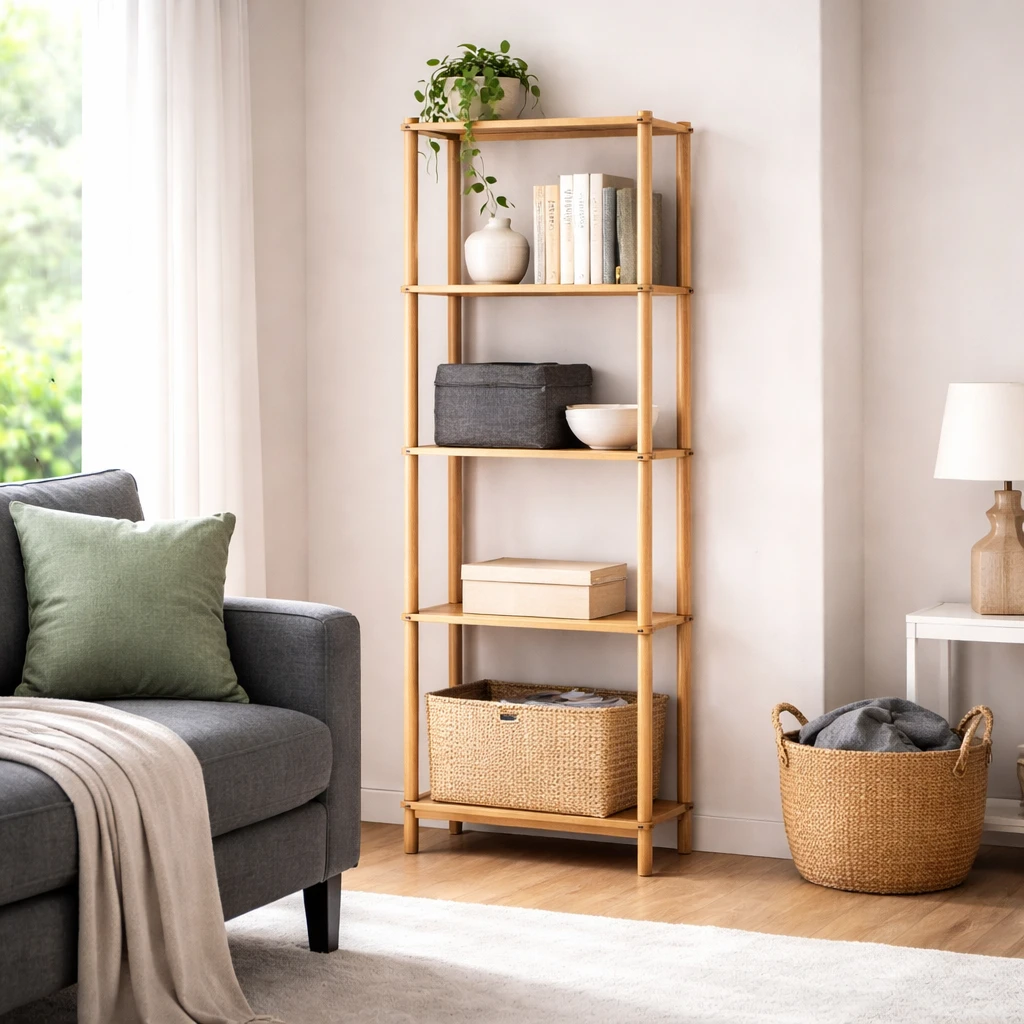
Open shelves and closed cabinets both help you store things, but they work differently. They can change the feel of a room over time. Your choice usually depends on how much you want to see your storage and how much time you want to spend on it.
Open shelves show everything you store. This can make a room feel brighter, especially in small spaces where big furniture can seem heavy. Shelves let light through and keep walls from looking closed off. At first, this can feel refreshing compared to large cabinets.
People also like shelves because everything is easy to reach. Nothing is hidden, and you don’t have to open anything. You can take what you need and put it back quickly. In busy rooms, this makes shelves feel simple and handy.
Over time, having everything visible changes how shelves work. Clutter is easy to spot. Messy piles, items that don’t match, or things out of place stand out right away. Shelves are best for items that stay the same and don’t change often.
Closed cabinets are different. They hide what’s inside and make the room look calmer, even if the inside is messy. In shared rooms or spaces that are easy to see from other parts of the home, this calm look can be more important than easy access.
Closed cabinets are different. They hide what’s inside and make the room look calmer, even if the inside is messy. In shared rooms or spaces that are easy to see from other parts of the home, this calm look can be more important than easy access. Pieces that combine both styles often highlight how shelves and cabinets behave differently once they’re used every day.
The downside is that using cabinets takes a little more effort. Opening doors adds a step, which can make you use them less often. Things you need a lot may end up sitting out instead. Cabinets are best for items you don’t need all the time.
Maintenance isn’t the same with shelves and cabinets. Shelves need more frequent attention because dust and clutter are always visible. Cabinets hide that, but they can also hide messes that slowly build up. You don’t see it happening until the door gets opened again.
Both options come with upkeep, just in different ways. Shelves show dust and clutter quickly since everything is exposed. Cabinets keep things looking tidy from the outside, but it’s easy for the inside to get messy without anyone noticing right away.
In smaller rooms, that difference matters more. Some people prefer seeing what they have and fixing it when it starts to look off. Others prefer the room to feel quiet and finished, even if what’s behind the doors isn’t.