*This post may contain affiliate links, which means I may earn a small commission.*
Bamboo sheets sound like a no-brainer—soft, breathable, and tagged as eco-friendly. But if you’ve ever asked yourself how bamboo fabric is made, you’re not alone. The process behind that silky feel isn’t always as clean or green as the label suggests. Some bamboo fabrics live up to the eco promise—others don’t even come close.
Here’s a simple breakdown of what actually happens during production—how bamboo turns into fabric, what chemicals are used (and when they’re not), and how to tell if a brand is being real with you or just trying to sound good on paper.
What’s Inside This Post
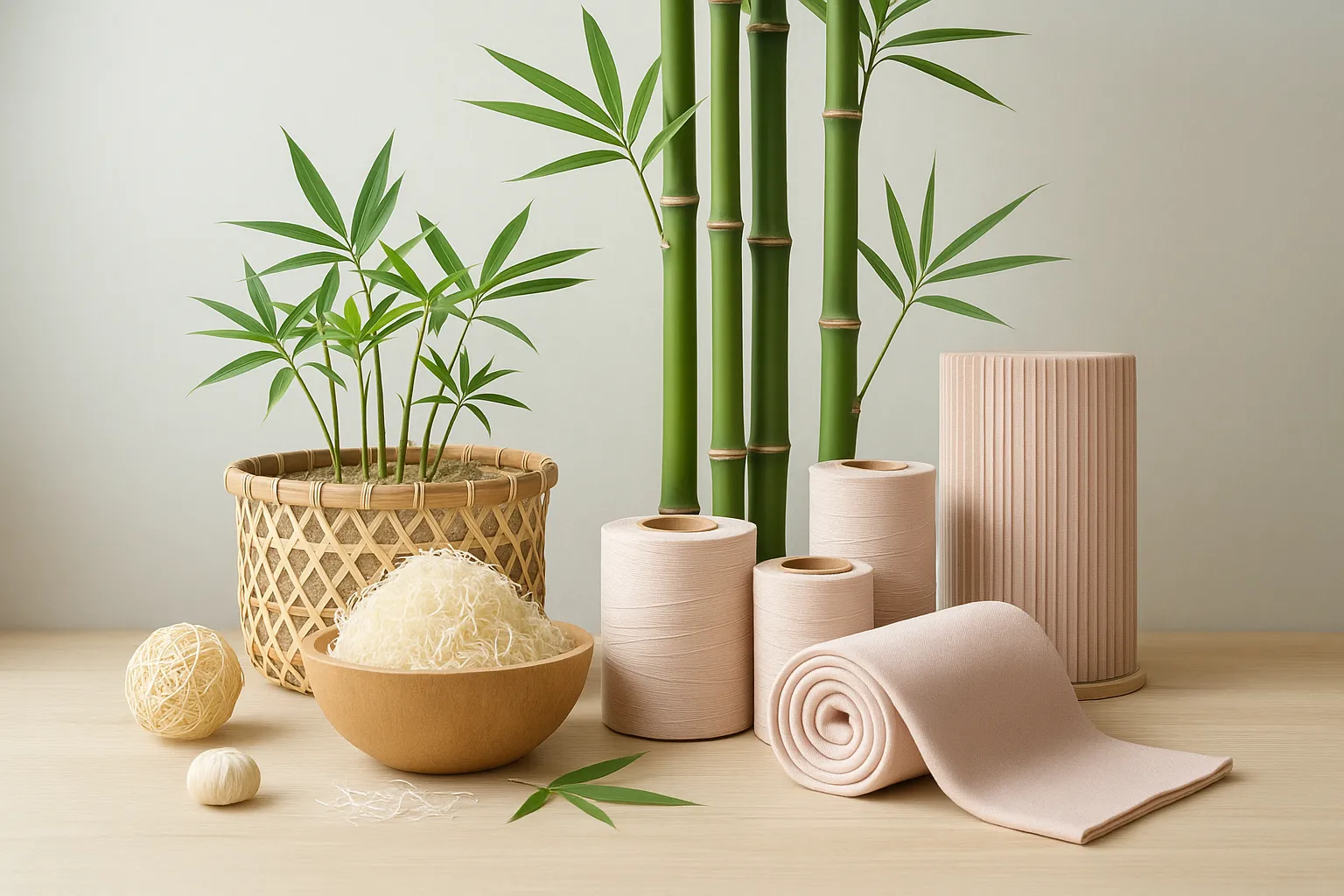
How Bamboo Fabric Is Made from Raw Bamboo
There’s no doubt that bamboo is a strong starting point. It grows quickly, doesn’t need pesticides, and uses far less water than cotton. From a farming perspective, bamboo is an eco-win.
After it is harvested, how bamboo fabric is made depends on the process the brand uses. This is where things often get unclear for shoppers trying to understand what they’re really buying.
The Different Types of Bamboo Fabric
Not all bamboo bedding is made the same way—even if it feels that way on your skin. Here’s how the production process changes the fabric (and its environmental impact):
- Rayon (or Viscose) from Bamboo: The most common. It feels smooth and soft, but is made with strong chemical solutions that dissolve the bamboo into pulp.
- Bamboo Lyocell: A cleaner method that uses a non-toxic solvent and reuses water in a closed-loop system. It’s easier on the environment.
- Mechanically Processed Bamboo (like linen): Rare, less soft, but the most natural. It skips chemical treatments entirely.
Most bamboo sheets today are viscose—even if the label just says “bamboo.”
Bamboo Fabric Production Methods: VISCOSE vs. LYOCELL
The difference between viscose and lyocell matters more than it seems. Both start with bamboo, but the processing methods have very different environmental footprints.
- Viscose uses harsh chemicals and can lead to pollution if waste isn’t handled responsibly.
- Lyocell uses a non-toxic solvent and recycles water, making it a much cleaner option.
If you care about sustainability, lyocell is the better pick.
What Chemicals Are Used in Bamboo Rayon?
Making bamboo rayon means breaking the plant down with chemicals like sodium hydroxide and carbon disulfide. These help dissolve the fibers into pulp, but if factories skip proper waste treatment, those chemicals can leak into rivers or soil. That’s where bamboo loses its eco appeal.
The final fabric doesn’t hold onto these chemicals, but the environmental toll depends on how carefully the process is managed.
Is Bamboo Fabric Safe to Sleep On?
Yes—once it’s made, bamboo fabric is safe for your skin. By the time it reaches your bed, the chemicals have been rinsed away. What matters more is how it was made in the first place.
Look for OEKO-TEX certification or similar labels. If you have sensitive skin, this guide breaks it down even further. That means the finished fabric was tested for harmful residues.
Is Bamboo Still Eco-Friendly?
It can be. Bamboo as a crop is incredibly sustainable—fast-growing, low water use, and no need for pesticides. But the process of turning it into fabric makes all the difference.
Bamboo lyocell uses a closed-loop system, reusing water and solvents instead of dumping them. Some brands explain their process clearly. Here’s a closer look at that if you’re curious. Those are the ones worth supporting.
How to Choose Bamboo Fabric That’s Actually Eco-Friendly
It’s not always obvious what you’re getting, but here’s how to read between the lines:
- Look for words like “rayon,” “viscose,” or “lyocell” from bamboo on the label.
- Check for OEKO-TEX or other certifications to make sure the fabric is tested for safety.
- Read the brand’s description. Do they explain how the fabric is made, or just toss out vague terms like “natural” and “eco-luxury”?
Brands That Disclose Their Process (and Why It Matters)
Some brands are upfront about how their bamboo fabric is made. They might say if they use rayon or lyocell, describe how they handle wastewater, or explain where the bamboo comes from.
Phrases like “eco-luxury” sound nice but don’t mean much unless the brand backs them up with facts. If the language feels vague, it might just be greenwashing.
Is Bamboo Bedding Better Than Cotton?
Bamboo bedding is soft, breathable, and great for hot sleepers. It also uses less water and avoids pesticides during farming.
Organic cotton, on the other hand, is familiar, durable, and easy to wash. It also has a wide range of trusted certifications.
Both have their strengths. If you’re unsure which one fits your sleep habits or values better, this full comparison guide might help.
Frequently Asked Questions
- What is the downside of bamboo fabric? Poor processing. If chemicals are mismanaged, they can hurt the environment.
- Is bamboo fabric actually made from bamboo? Yes. It starts with bamboo pulp, but is usually chemically processed into rayon or viscose.
- Why is bamboo bedding more expensive? Processing bamboo, especially into lyocell, is more complex and costly.
- How long do bamboo sheets last? For several years, with gentle washing.
- How can you tell if bamboo sheets are real? Look for terms like “rayon from bamboo” or “bamboo lyocell,” and check if the brand explains their process.
- What’s the difference between bamboo and viscose? Bamboo is the plant; viscose is a type of fabric made from bamboo using chemicals.
- Is bamboo better for your skin than cotton? Bamboo tends to feel softer and cooler, which may help sensitive skin.
Final Thoughts on How Bamboo Fabric Is Made
Bamboo bedding feels great and comes from a plant that grows fast with minimal water or chemicals. That sounds like a win—but the way it’s turned into fabric is what really counts.
When a brand is clear about how its fabric is made, it shows they’ve got nothing to hide. If comfort and sustainability both matter to you, those details are worth paying attention to.
Want help picking bamboo bedding that fits your values? I’ve reviewed several options that are transparent about how their fabric is made—you can check them out here.

Kristin is the founder of Eco Bamboo Living. She shares honest, research-backed guides and product reviews to help readers find bamboo products that are truly sustainable, practical, and worth bringing into their homes.
